Typical ranges from public sources, not quotes. Where these numbers come from
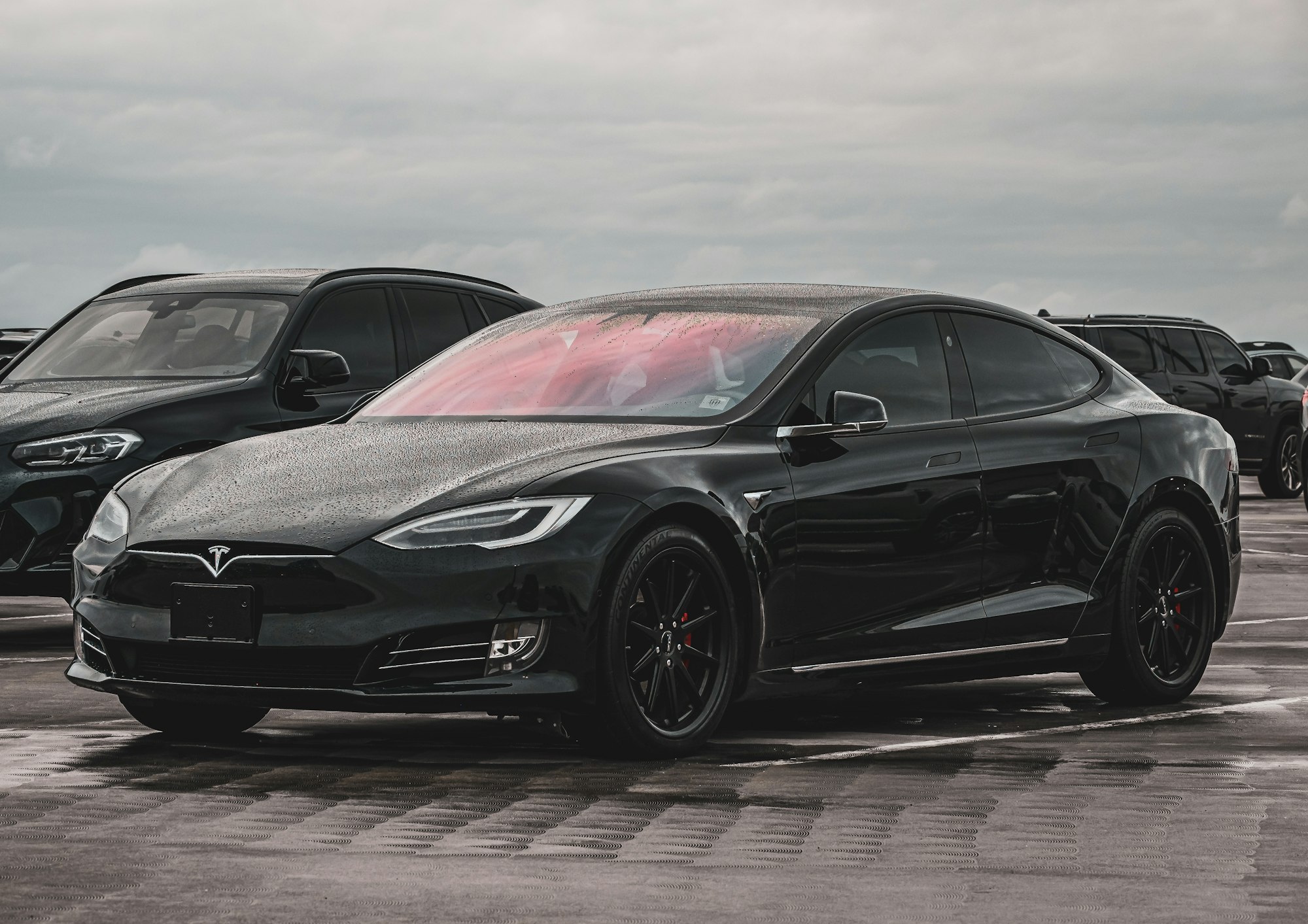
Battery pack and large drive unit repair for older Model S and Model X. Tesla owners in every US city ship their cars to us instead of selling them for parts.
Call Get a free quote How shipping worksWhen a 2012–2018 Model S or Model X throws a battery fault or the rear drive unit starts to fail, the out-of-warranty answer at a Tesla Service Center is usually a whole new assembly. Public pricing puts a Model S pack at about $20,000 to $22,000 and a new large drive unit at $5,500 to $8,000. On an older car, that can be more than it's worth, so a lot of good Teslas get totaled, sold cheap, or parted out.
Most of the time the rest of the car is fine. The failure is usually one weak module, a contactor, a fuse, a coolant leak, or a worn seal and bearings in the drive unit. Those can be fixed. Published ranges for module-level repair on a 2012–2020 Model S pack run $1,800 to $6,000 at an independent shop.
Our goal: fix the part that failed and keep your Tesla on the road another 200,000 miles, not in a salvage yard.
Our shop is in the Midwest. Because this work is so hard to find, most of our customers live out of state and ship their cars here.
This shop started with a car guy who always wanted to know how things work. Our day job has long been repairing forklifts on farms and at businesses around the Upper Midwest. Teslas are the technology we fell for, and a lot of our Tesla work still happens in the evenings and on weekends, because we enjoy it.
What bothers us is watching good older Model S and Model X cars get scrapped over one failed part. A leaking seal, a weak module, or a rusted O-ring shouldn't be the end of a car. So we find the part that failed, fix it, and leave the rest alone.
We'd rather do it right than make it pretty. Packs we open get pressure-tested before they go back in the car, so water stays out. When we can't buy the right tool, we build one. When something doesn't work the first time, we figure out why and learn from it. And if a cheaper fix will do the job, we'll tell you.
Most of our customers find us the old-fashioned way: another Tesla owner told them about us.
Many ship their cars in from other states. That trust is why we treat every car like it's coming back to us.
One of those owners is the person behind this website. We repaired the battery pack and the heater on his Tesla.
No cabin heat, heater fault alerts, or a battery that won't warm up in cold weather? The cabin heater (PTC heater) and the battery heater are common failures on older Model S and Model X, especially in winter. We find the failed heater, wiring, or coolant part and repair it so the car heats and charges normally again.
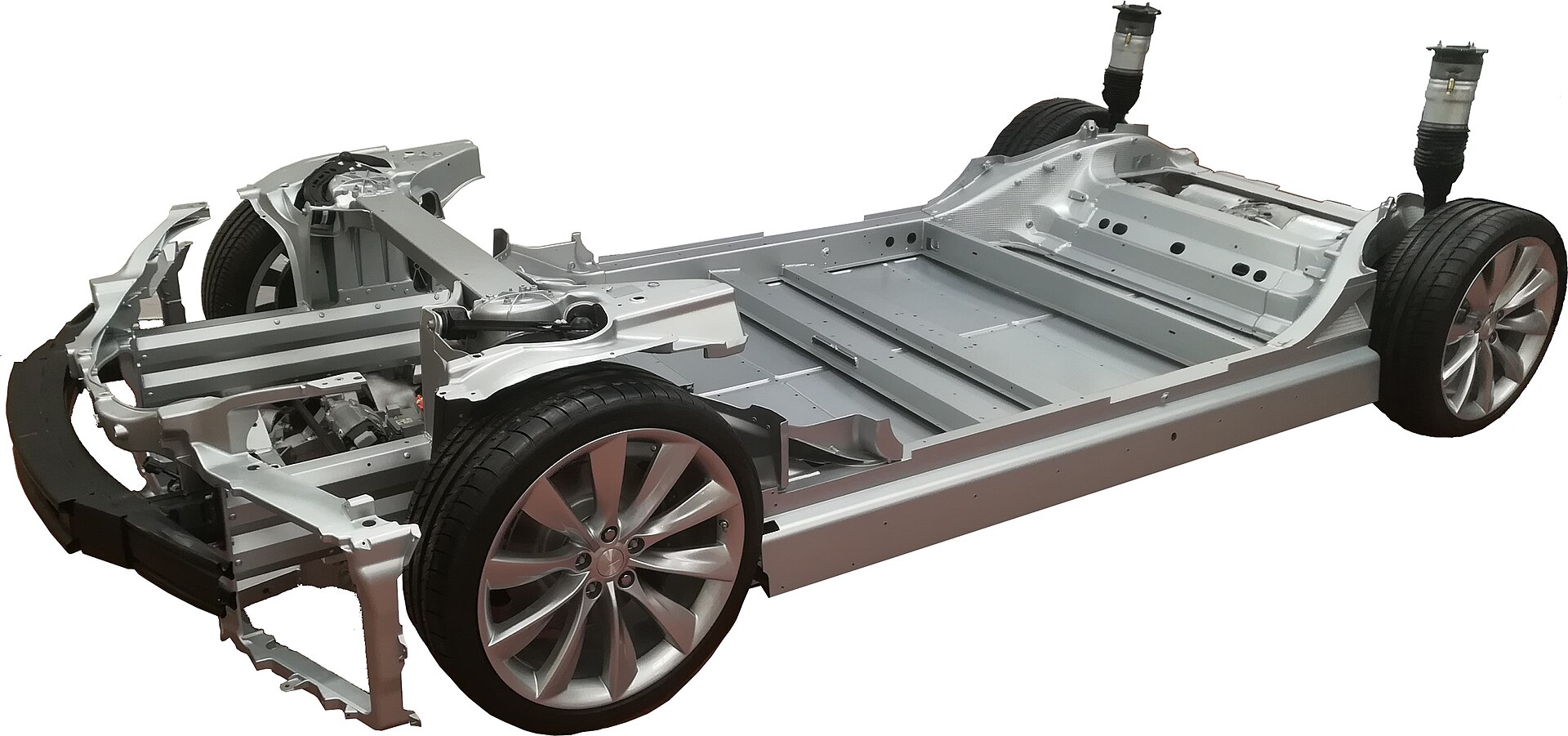
Module-level testing on original Model S and X packs to find what's actually wrong: a weak module, a contactor, a fuse, the BMS board, or coolant where it shouldn't be. You get the findings before any money goes into parts.
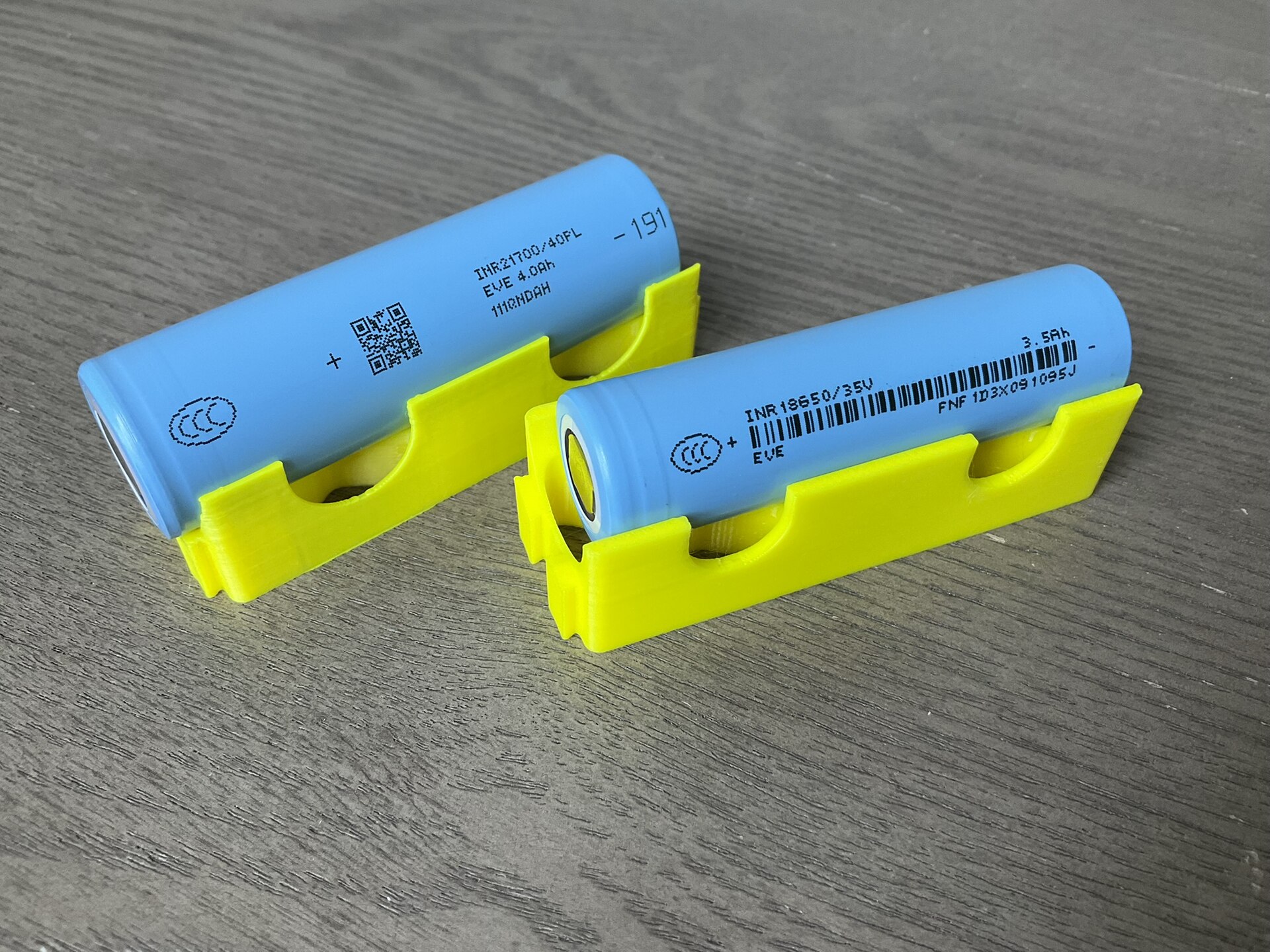
When one or two modules fail, we replace them with capacity-matched modules, rebalance the pack, reseal it, and road-test the car. It often costs a fraction of a new pack.
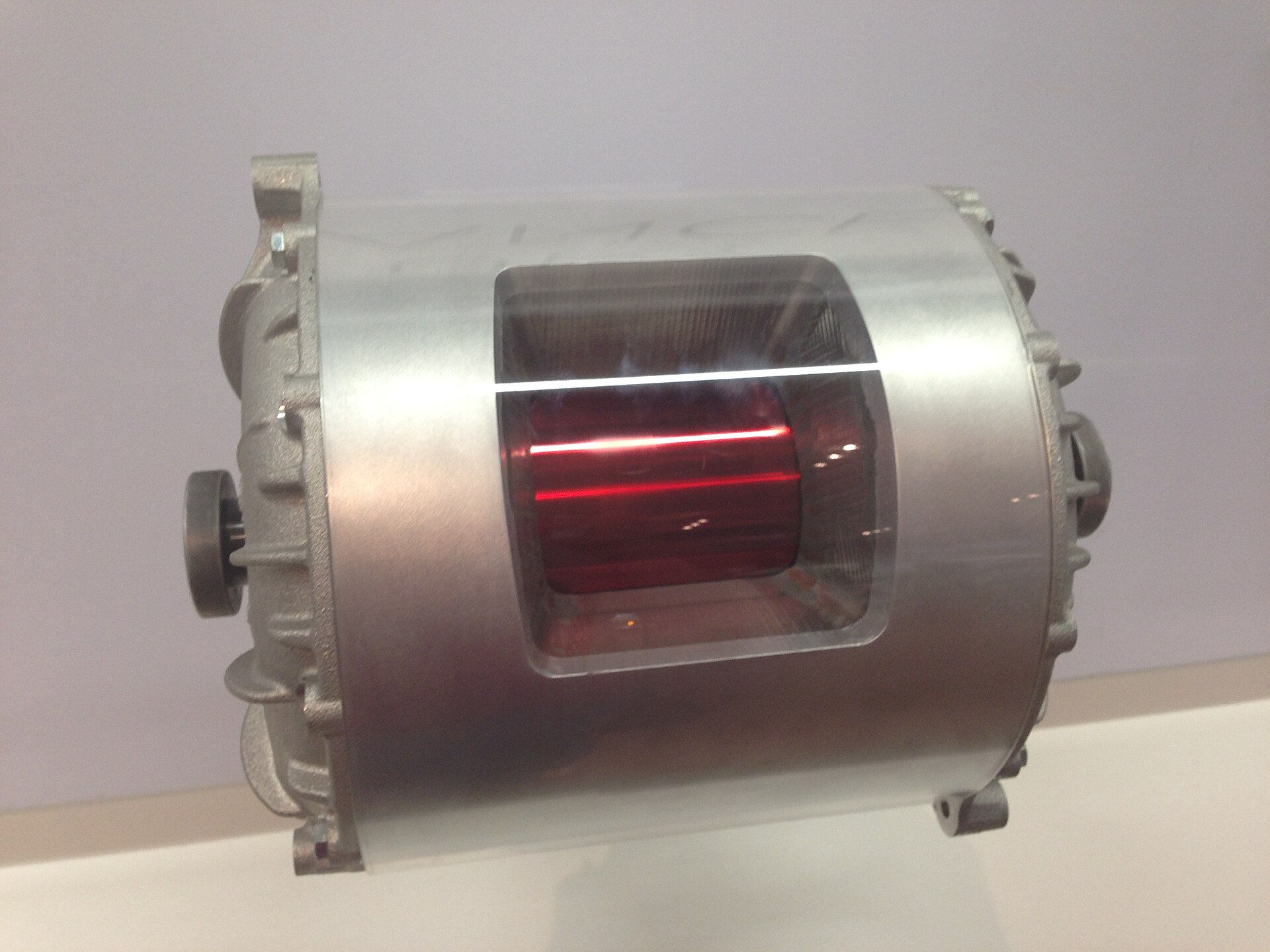
Rebuilds for the original rear large drive unit on rear-wheel-drive and Performance cars: coolant delete, rotor bearings and seals, and inverter checks. Front and small rear drive units on dual-motor cars too.
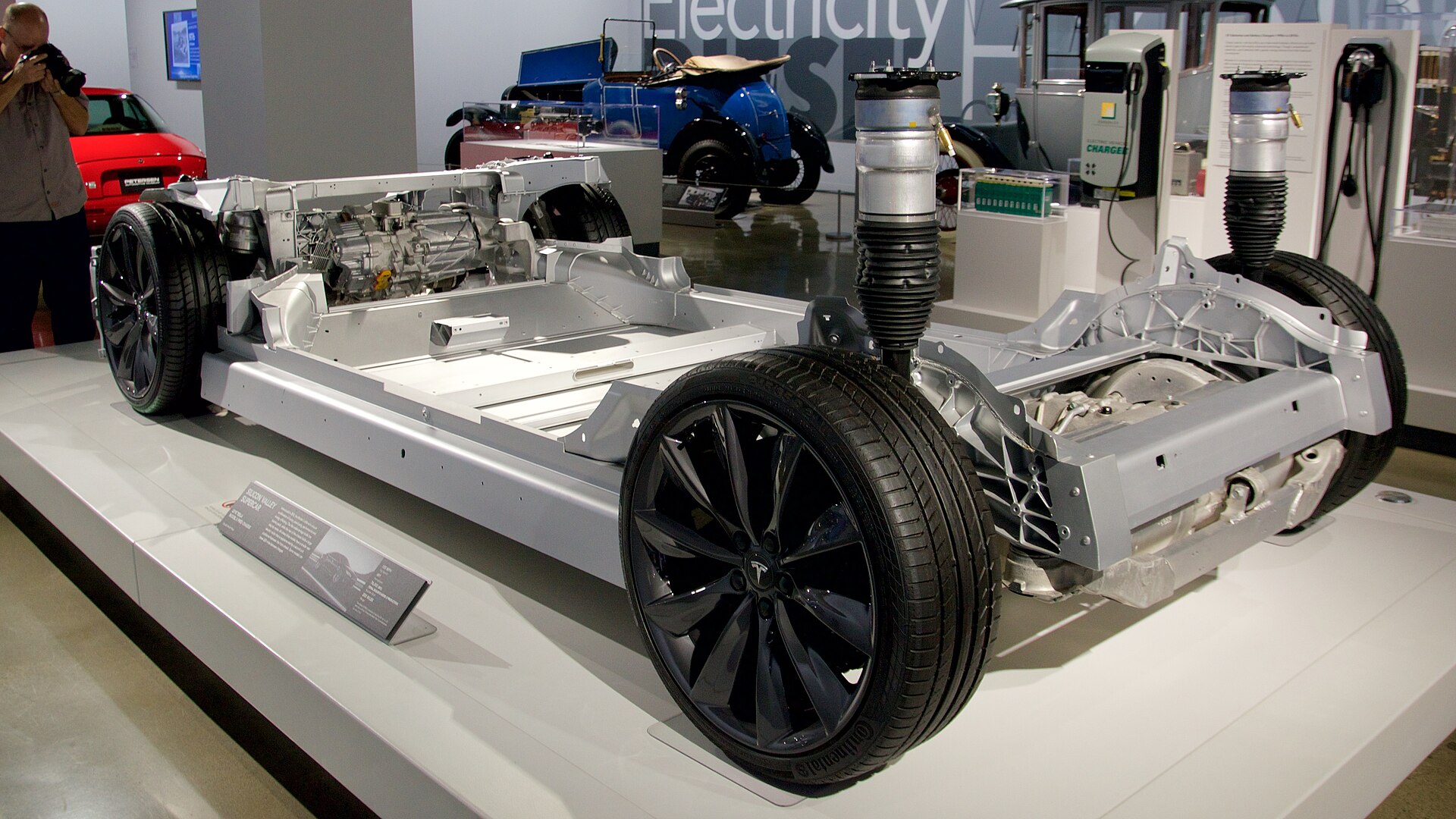
Coolant leaking into the large drive unit or battery pack causes many of the worst failures on older Teslas. We trace the leak, fix the source, and check for damage it already caused.
BMS_w142, BMS_w158 and other isolation alerts mean high voltage is leaking to the chassis somewhere. We track down whether it's the drive unit, a cable, a component, or the pack.
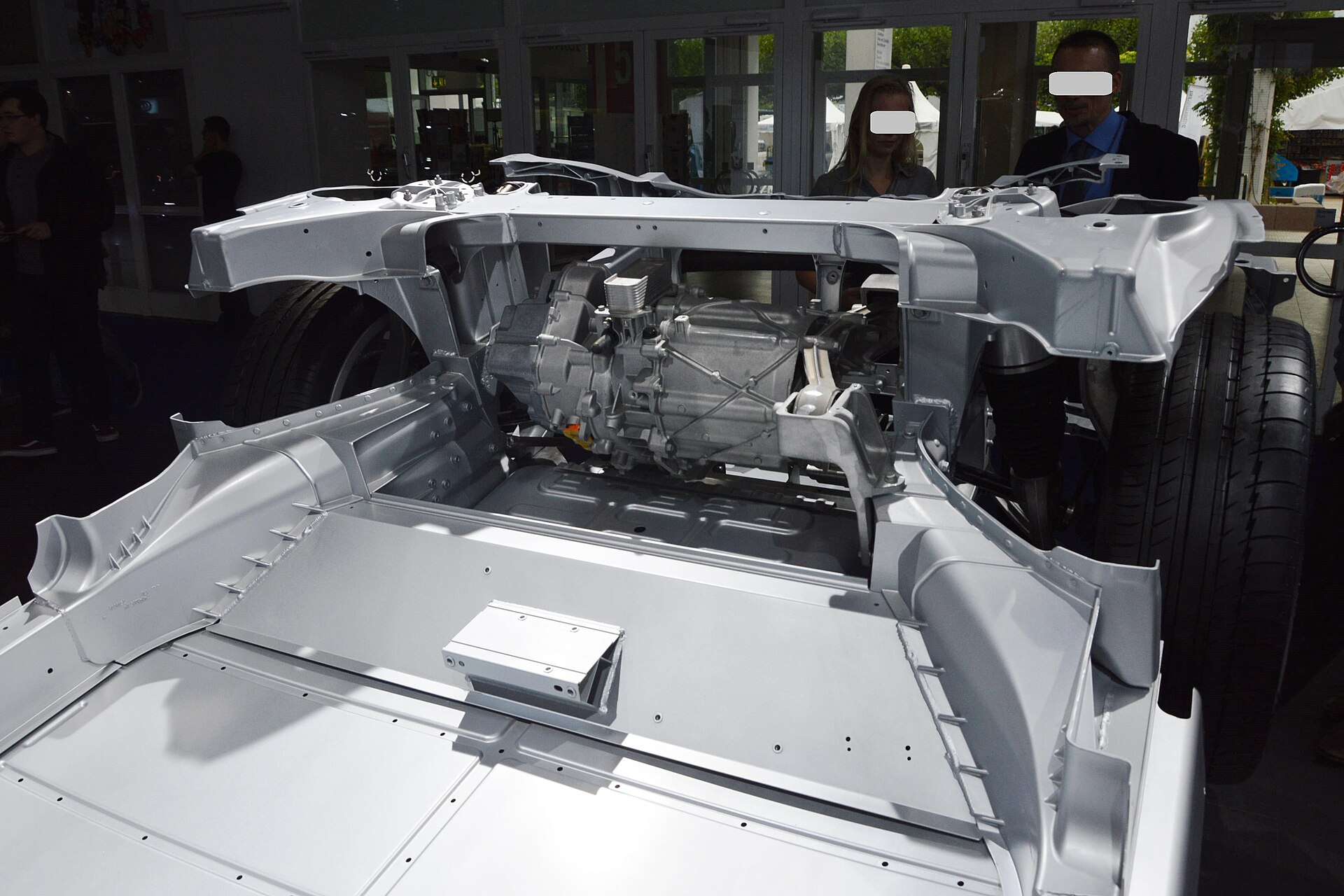
"Maximum battery charge level reduced," cars that won't charge, contactor faults, and other battery management system errors, diagnosed down to the part that's causing them.
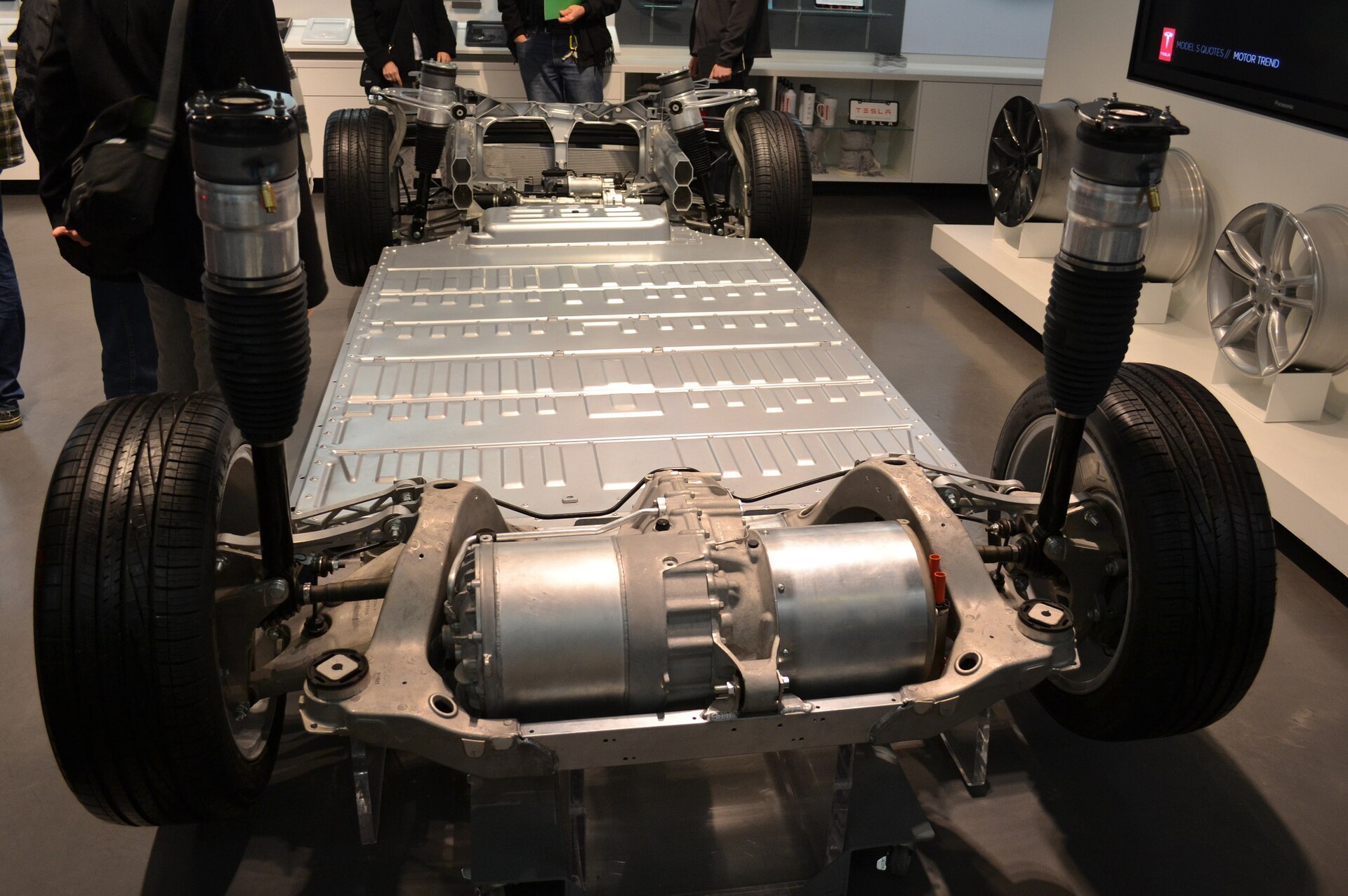
Swap the original 60, 70, 85 or 90 kWh pack in an older Model S or X for a 100 kWh Raven-era pack: about 330 miles of range and faster Supercharging. Many installs take about half a day. Upgrades start from roughly $12,000.
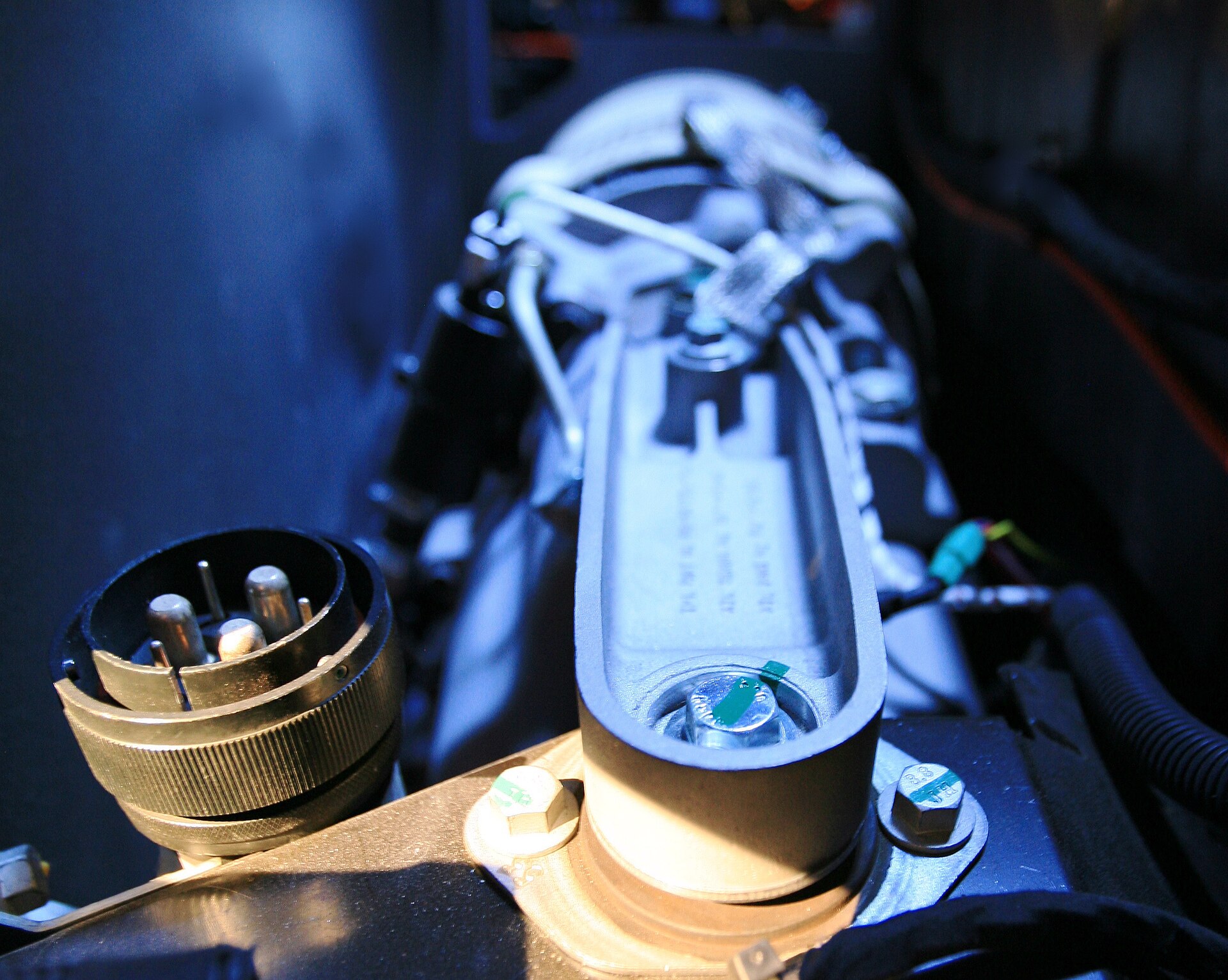
The common rear drive unit seal leak lets coolant into the motor, which can end in an isolation fault or a dead drive unit. A coolant delete, also called a rotor coolant bypass, removes the path the leak takes.
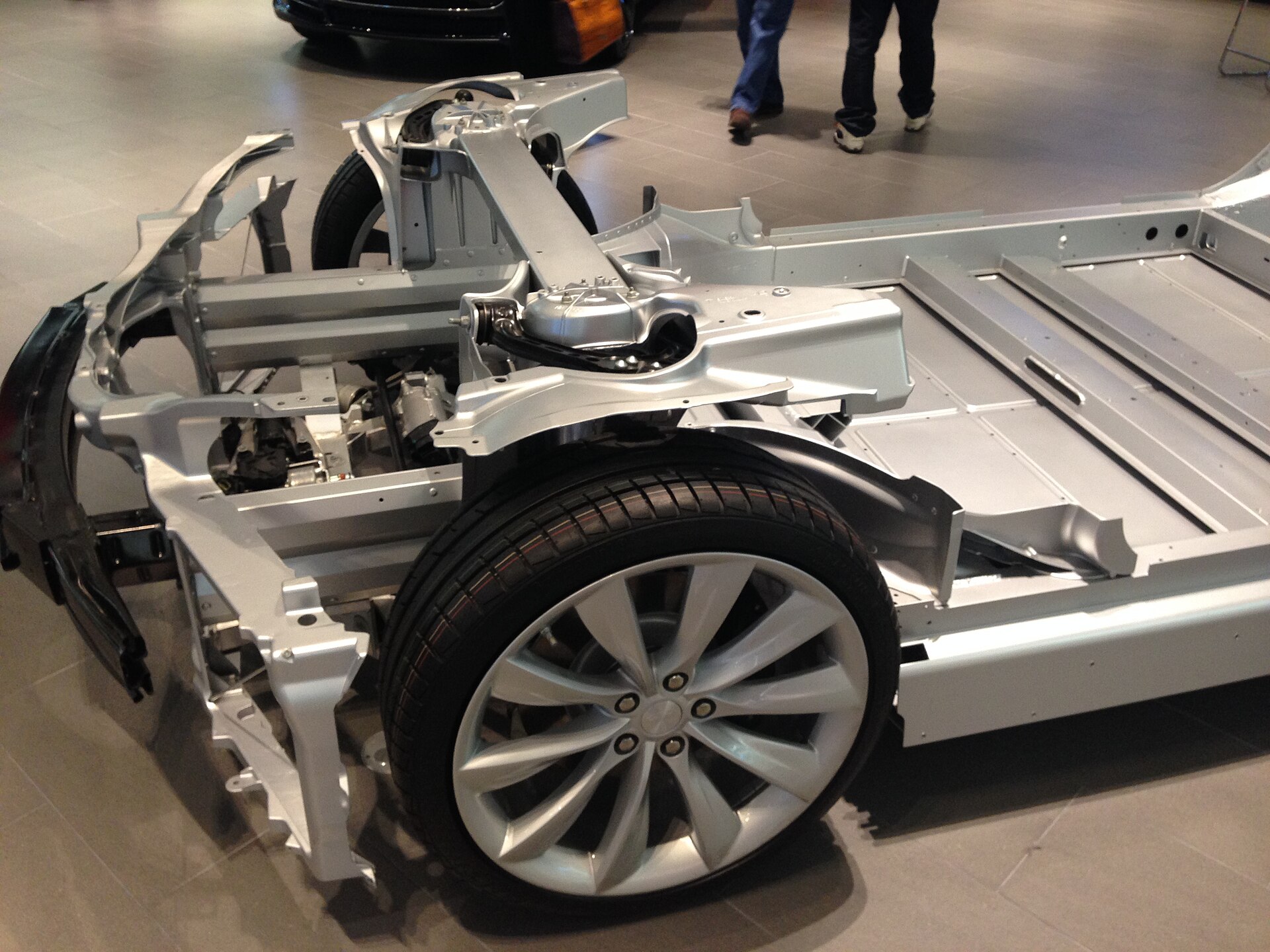
Tesla calls drive unit gear oil a lifetime fluid, but older units last longer with fresh oil. We suggest changing it about every 50,000 miles on unfiltered units and every 100,000 miles on filtered ones.
On older packs the top fuse cover can rust through and let moisture into the pack. We replace the cover, reseal it, and pressure-test the pack to make sure it stays dry.
Regenerative braking means the friction brakes barely get used, so calipers rust and stick, especially in salt states. A yearly clean and lube keeps them working.
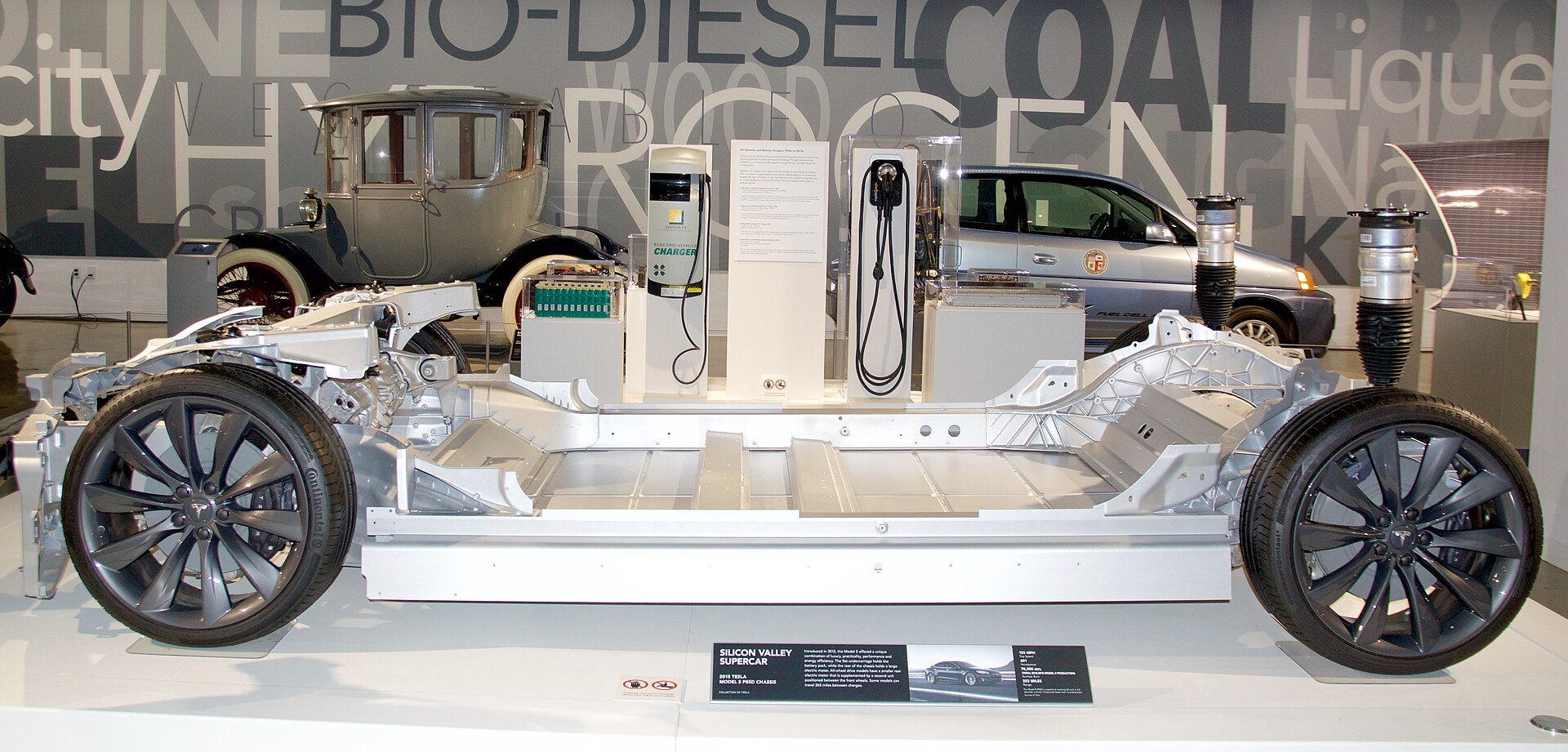
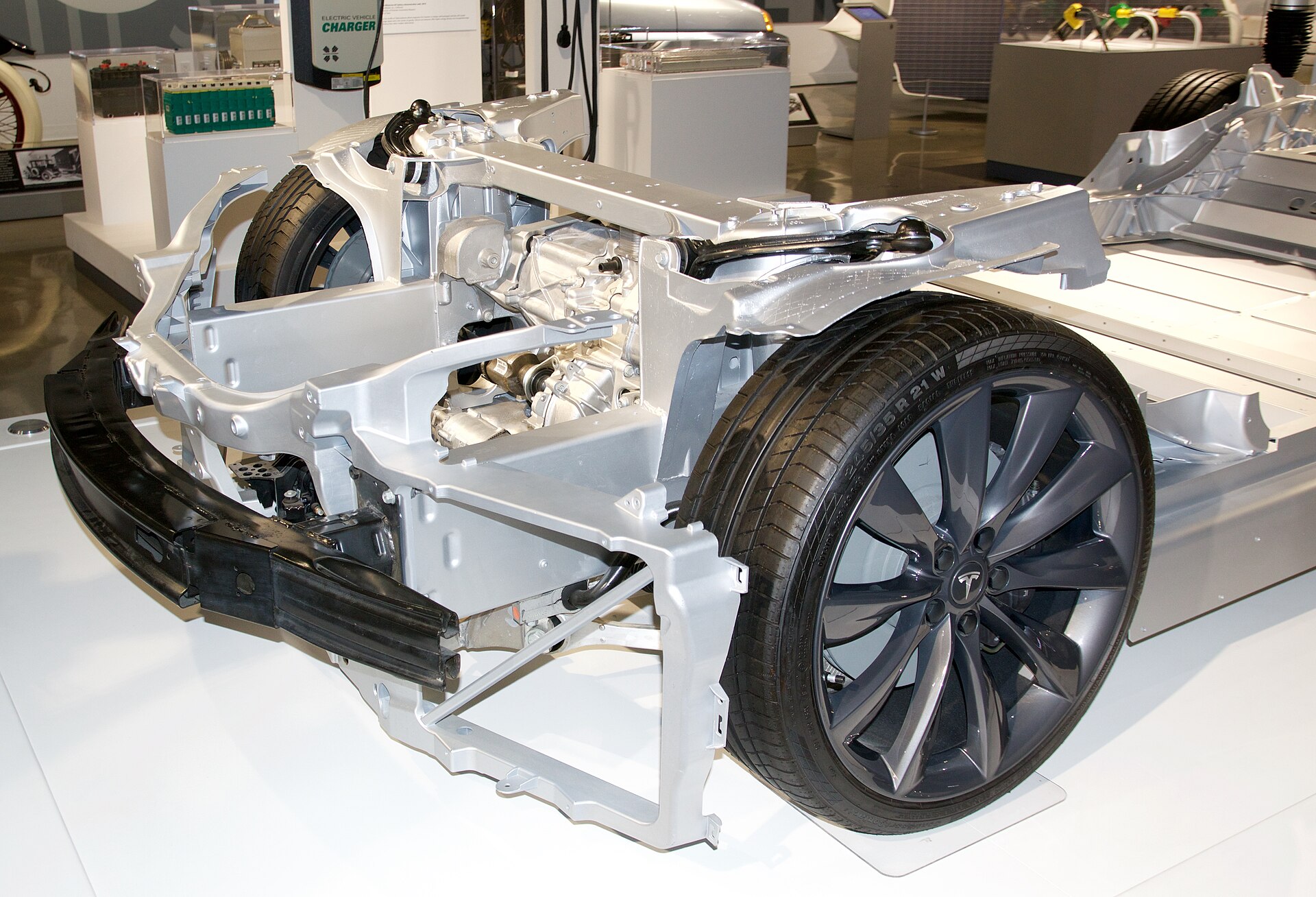
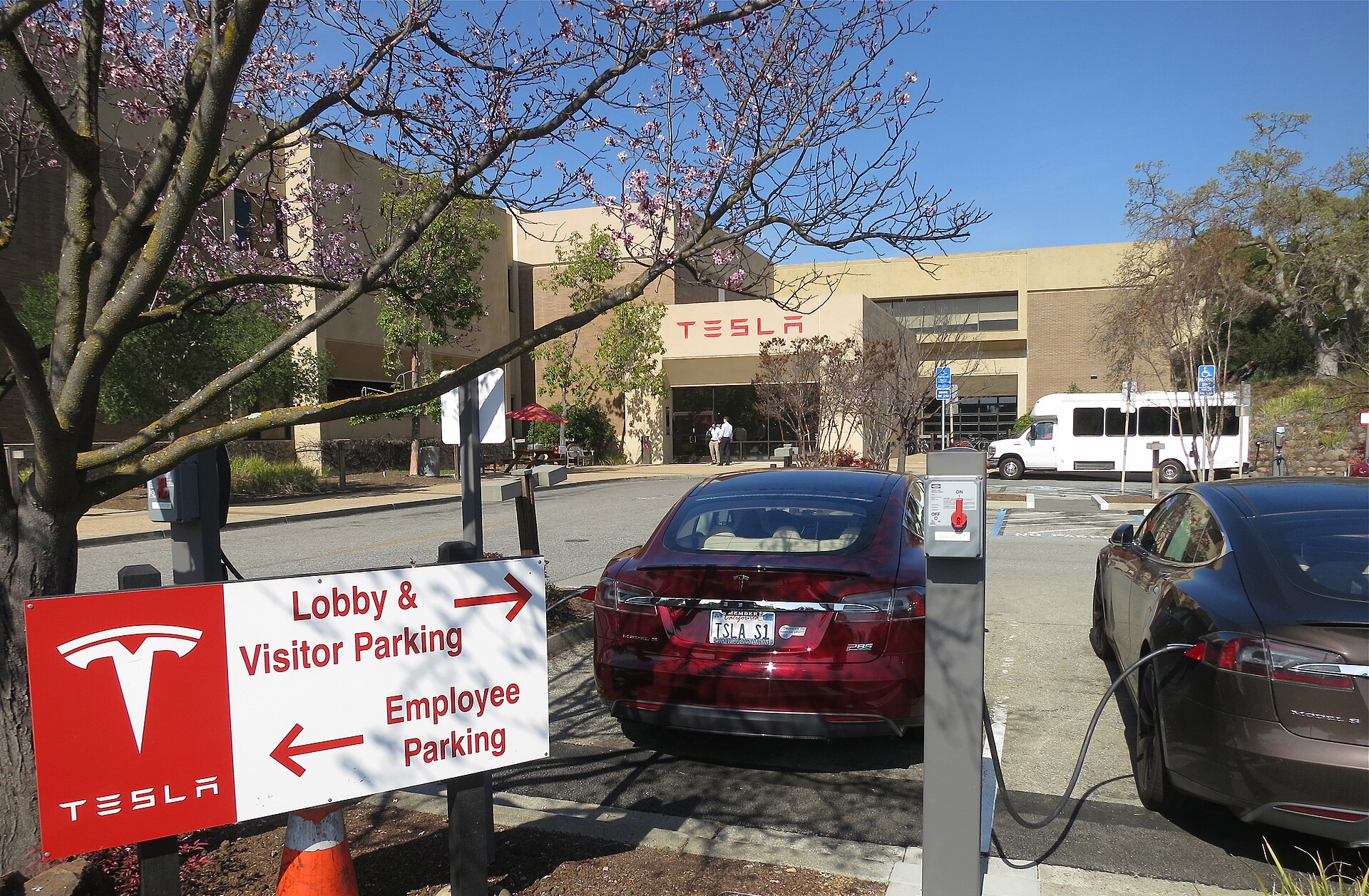
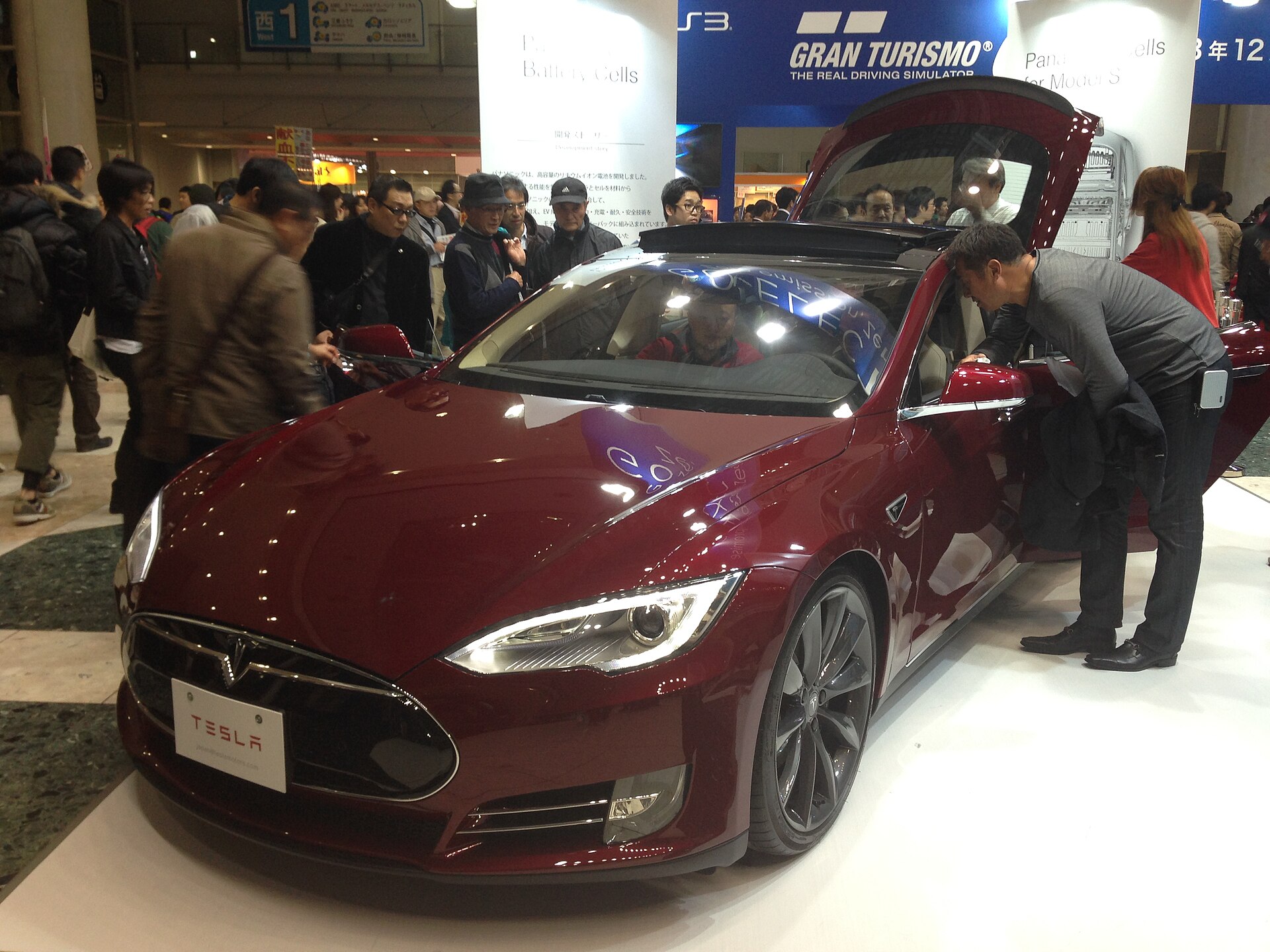
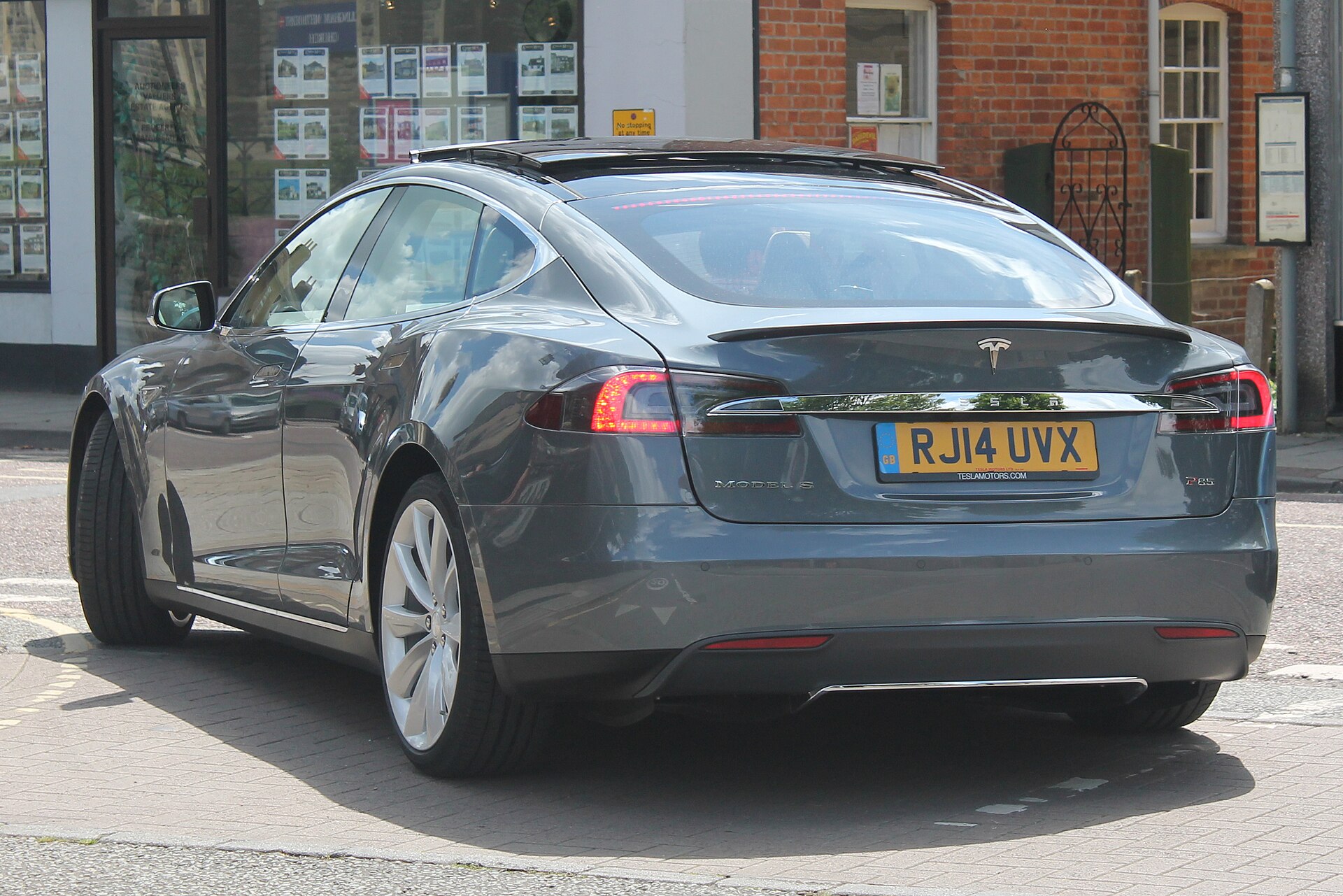
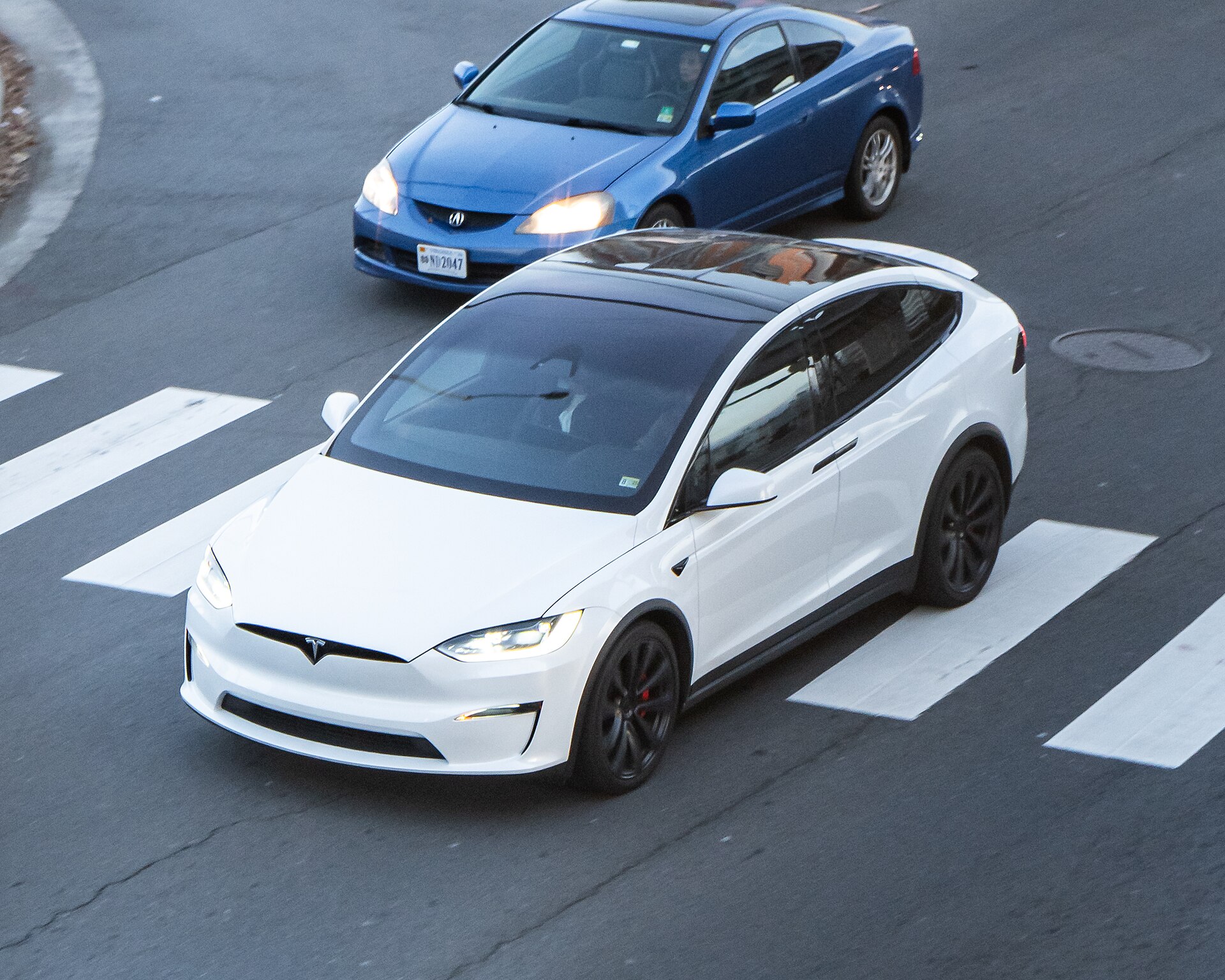
We also work on Model 3 and Model Y battery and drive unit problems, though older Model S and X are our main focus. Photos are licensed museum and stock photos of Tesla parts, not photos of our shop.
These are typical ranges from public sources, not quotes for your car. Your price depends on the model, year, and what the diagnosis finds.
| Repair | Tesla / dealer | Independent shop |
|---|---|---|
| Model S (2012–2020) battery pack fault | Pack at Tesla: $14,000–$20,000 Recurrent estimate: about $20,000–$22,000 | Module-level repair: $1,800–$6,000 Remanufactured pack: $6,500–$14,000 |
| Model S/X large rear drive unit | New unit: $5,500–$8,000 Owner-reported Tesla quotes: about $6,000–$9,100 | Remanufactured: $3,000–$5,500 Bearing or seal repair: $1,100–$2,500 |
| Model X battery pack fault | Pack at Tesla: $15,000–$22,000 | Module-level repair: $2,200–$6,000 |
Sources: Recurrent, EV Repair Directory, and Tesla Motors Club owner reports. See every source.
Often, yes. When a 2012–2018 Model S or X needs a battery pack or rear drive unit, a dealer quote for a whole new assembly can be more than the car is worth, so a lot of these cars get sold for parts. A repair that replaces only the failed modules or rebuilds the drive unit usually costs far less. We'll give you an honest answer based on your car's condition, mileage, and what the diagnosis finds.
Yes. Most of the cars we see come from out of state. You book an auto transport carrier to bring the car to our Midwest shop, we diagnose it, send you the findings and a written quote, and do the work only after you approve it. When it's done, the carrier brings it back. If the car doesn't drive, tell the carrier so they send a truck with a winch.
Yes, and it's one of the most common problems on older cars. The cabin heater (PTC heater) and the battery heater both fail with age, often showing up as no heat, heater fault alerts, or slow charging and reduced power in cold weather because the battery can't warm up. We test the heater, its wiring, and the coolant system and replace only what failed. Pick "Heater repair" in the quote form.
Often, yes. Older Model S and X packs are built from modules, and many faults come down to one weak module, a contactor, a fuse, or a coolant leak. Published ranges for a module-level repair on a 2012–2020 Model S pack at an independent shop run about $1,800 to $6,000, compared with $14,000 to $20,000 for a pack at Tesla. Some packs aren't worth repairing, such as ones with coolant inside several modules or crash damage, and we'll tell you if that's the case.
Yes. The original rear large drive unit on many rear-wheel-drive and Performance Model S and X cars is known for coolant leaking past the rotor seal into the motor. Depending on how far it has gone, the fix ranges from a coolant delete and new bearings to a full rebuild. Published ranges for a remanufactured large drive unit at an independent shop run about $3,000 to $5,500, versus about $5,500 to $8,000 for a new one from the dealer.
It usually means the battery management system (BMS) found a problem with one or more modules and limited charging to protect the pack. It's common on older 85 and 90 kWh packs, and it doesn't always mean the whole pack is dead. A module-level diagnostic shows which part is causing it.
Drive it slowly in a parking lot and listen for a grinding or rumble from the rear around 3 to 5 mph, which can point to a coolant-damaged drive unit. Ask whether the rear drive unit has been replaced or had a coolant delete. Look at the inside edges of the rear tires. Ask if the car sags after sitting, or check the air struts for rust. Pull up the service alerts in service mode and photograph them. If you can, have the battery pack pressure-tested, because water getting in is a common cause of pack failure. None of these alone is a reason to walk away, but they tell you what the car will need.
Two things usually stop it: the electric parking brake stays set, and the air suspension is flat. The parking brake calipers can be released with a 12V source at the right connector pins, and the suspension can be raised by feeding air straight to the valve block. Both need some care, so call us before the carrier arrives and we'll walk you or the driver through it.
Yes, and a good used or remanufactured pack can get a car back on the road for a lot less than a new one. After the swap the pack has to be synced to the car with Tesla's service software. A pack that's been sitting in storage should be tested first. Installation needs care too: the pack has to go up level on guide pins and seat fully, or high-voltage and low-voltage connectors get broken or don't make contact.
More range and much faster Supercharging. On one Model X we upgraded, the car showed 345 miles of range afterward. At a Supercharger in 2°F weather it peaked around 170 kW and added about 200 miles in roughly 30 minutes. Results vary by car, and older cars need the right high-voltage adapter for the newer pack.
Done right, it only blocks coolant from the rotor, which is the path the leaky seal sits on. Coolant still flows to the stator, inverter, and gearbox through the flyover tube, which must stay in place, or the motor gets hot spots. Tesla's own later drive unit revision takes a similar approach. Owners have put a lot of miles on deleted units, but long-term data is still coming in, so we'll talk through the trade-offs for your car.
Usually not. Most leaks on older cars come from rust pushing the strut's lower O-ring out of place, not from a failed air bag or shock. Cleaning the corrosion and fitting new O-rings fixes most of them. We pressure-test the strut and check every line and fitting afterward so it stays up.
We think so. A lot of owners skip it, but when a drive unit is out or being serviced, we give it a full coolant flush. Gear oil we suggest changing about every 50,000 miles on unfiltered units. Old fluid is cheap to replace and expensive to ignore.
They need less than a gas car, but not none. Drive unit gear oil, brake calipers that rust from light use, coolant, the 12V battery, and the battery fuse cover on older packs all need attention as the car ages. Keeping up with them is a big part of keeping an older Model S or X on the road.
Not necessarily. With battery and drive unit work along the way, some Model S cars have passed 700,000 miles. The body, interior and chassis usually outlast the original pack and drive unit, which is why repairing those parts makes sense.
Plenty of routine work on these cars is DIY-friendly, like the 12V battery, cabin filters, and brake caliper cleaning, and Tesla publishes service information online. High-voltage work on the pack and drive unit is different. It can kill, and it should be left to trained techs.
It can. If the car sits on flat air suspension, it may be too low to winch onto a trailer. If you can get the 12V system powered, air the suspension up to its highest setting before loading. Tell the carrier the car is inoperable so they bring a winch, and ask us if you're not sure how to prep it.
Ask us. It depends on the car and on Tesla's account policies, which can change. We'll tell you what we know for your specific car before any work starts, but we can't promise how Tesla will treat it.
Batteries, motors and controllers aren't only in cars. We also repair forklifts and other material handling equipment, including electric units, and we offer mobile forklift and material handling repair in the Upper Midwest, on farms and at businesses.
Pick "Forklift / material handling" in the quote form and tell us the make, model, and what it's doing. Choose "Other / not sure" for the Tesla model and "Not sure" for the year.
Things we see over and over on older Model S and Model X cars, and what you can check yourself.
When a Model S drops overnight or over a few days, it's usually rust at the air strut's lower O-ring, not a bad air bag. Rust pushes the seal out of the way. Air the car up, spray soapy water on the struts and lines, and watch for foam. Most are fixed by cleaning off the rust and fitting new O-rings. Used "rust-free" struts can be corroded too, so inspect them first.
The rear camber arms on 2012–2020 Model S (and Model X through 2021) aren't adjustable, and the rear toe arms wear out. Together they can chew the inside of a tire down to the cords with good tread on the outside. Adjustable camber arms with quality bushings, new toe arms, and a real alignment fix it. The stuck toe arm bolt doesn't need to be cut: lowering the subframe slightly lets it slide out.
A grinding or rumble from the rear drive unit that's loudest around 3 to 5 mph and fades at highway speed often means coolant got past the rotor seal and washed the grease out of the bearings. It's easy to blame on the suspension. Get it checked early.
Drive units fixed soon after the coolant leak starts are often saveable. Ones that sit for months after failing usually aren't. A weep hole can buy a little time, but it's only a stopgap until a proper coolant delete and bearing job.
Water getting in is behind many of the pack failures we repair. Any opened pack should be resealed and pressure-tested to Tesla's spec before it goes back in, and the coolant loop gets its own test. A pack that took a hit underneath can look fine and still fail months later.
If the screen shuts off when you close the door while you're sitting in the car, the seat occupancy switch probably isn't seeing you. It's often just a dirty contact that can be cleaned, which beats buying a new seat. The seat bolts take TP40 and TP45 security Torx bits, and regular Torx bits strip them.
A long brake pedal can come from an inner pad stuck in a rusty caliper. Regen means the friction brakes barely get used, so they seize. A yearly clean and lube prevents it.
Tap the car icon, open Software, press and hold the model name until it blinks, type "service," and accept the warning. Open Service Alerts and take a photo. Just look, don't change anything. That photo makes our first answer much more accurate.
"He replaced the battery in my 2015 Model S. They were super easy to work with and even picked me up at the airport when I flew out for pickup. These guys are really passionate about the cars and I would recommend them to anyone."
Google review, February 2026
"Great, honest service. Our tech was able to diagnose and repair my Tesla Model S better and cheaper than my local Tesla repair center. If you are out of warranty, servicing your Tesla here is a must."
Google review, January 2025
"The cheapest place you can take your tesla to get major repairs."
Google review, April 2025
"If you ever need any work done on your Tesla Model S and X……. I highly recommend."
Google review, October 2024
Tell us your model, year, battery size, where the car is, and what the screen or the dealer is telling you. A photo of the alert or a copy of the Tesla estimate helps us give you a faster, more accurate answer.
We reply by text or email, usually within one business day. No obligation.
Newer car? Check your Tesla battery and drive unit warranty first. Warranty work should go to Tesla.